CMDA Team Examines Hydrogeochemistry and Water Quality in Cần Giờ

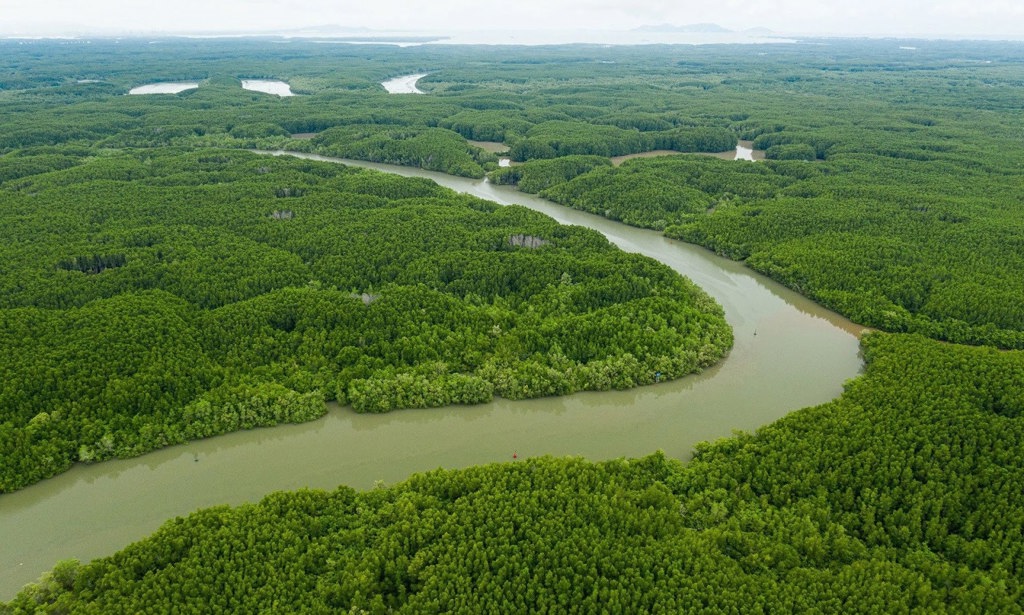
As part of the CMDA project, the Regional Project Management Unit (RPMU) joined a scientific field trip to the Cần Giờ mangrove biosphere, a UNESCO-designated site near Ho Chi Minh City. The visit, led by Dr. Ha Quang Khai of Ho Chi Minh City University of Technology (HCMUT) and CMDA Technical Leader, included hydrogeochemist Dr. Kangjoo Kim from Kunsan National University, Korea, and HCMUT MSc candidate Nguyen Ngoc Tuong Trip.
The team explored the biosphere’s hydrological and tidal systems, water quality, and ecosystem conditions. Discussions focused on key hydrogeochemical issues facing the Mekong Delta aquifers, including:
-
Arsenic mobilization from natural deposits and potential risks linked to Managed Aquifer Recharge (MAR) activities.
-
Salinity challenges, caused by paleo-saline aquifer mobilization and the influence of oceanic tides on groundwater.

Team viewing Cần Giờ mangrove biosphere
These discussions provided valuable insights into groundwater geochemistry and potential strategies to address water quality and sustainability challenges in the transboundary Cambodia–Mekong Delta Aquifer system. The biosphere’s healthy ecosystems also offered a living example of recovery and resilience, underscoring the importance of nature-based approaches in water management.
The CMDA project is funded by the Global Environment Facility (GEF), implemented by FAO, and executed by IUCN as lead partner, with UNESCO and MERFI as additional executing partners in collaboration with Viet Nam and Cambodia.