Exploring Natural Wetlands' Role in Groundwater Sustainability
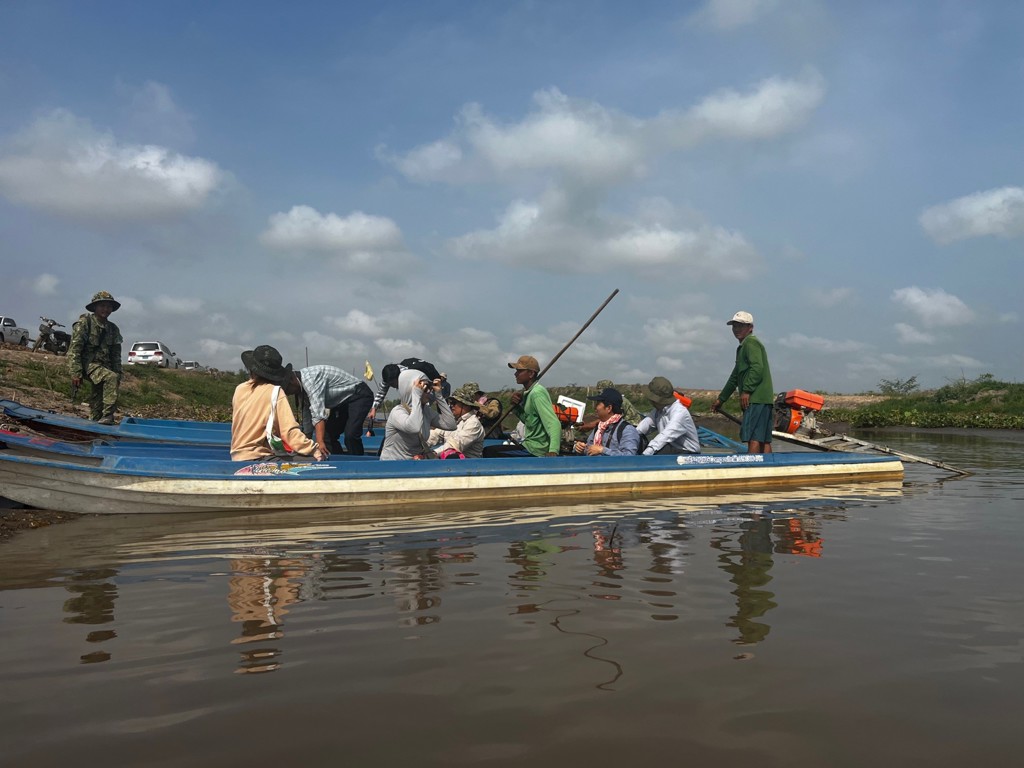
BPL, covering 8,305 hectares, is one of Southeast Asia’s last remaining seasonally inundated grasslands and natural wetlands. It is critical for biodiversity, serving as a key habitat for the Endangered Sarus Crane (Antigone antigone) and other threatened species. BPL supports local fisheries and provides essential water resources to nearby rural communities. Participants toured the wetland, inspected the shallow groundwater monitoring network, and discussed the site's ecological and hydrological significance.
The long-term preservation of BPL, including its groundwater and wetland ecosystems, is driven by the Cambodian government, the Ministry of Environment, and organisations like the Wildfowl & Wetlands Trust and NatureLife. Their work focuses on flooded forest and grassland restoration and surface and groundwater monitoring. A 2012 WWT study valued BPL's ecological services at $2.17 million. Addressing the challenges posed by climate change, land-use pressures, and illegal encroachment will require ongoing collaboration and innovative solutions.
Wetlands like BPL are key to maintaining groundwater levels, supporting agriculture, and conserving biodiversity. As threats to these vital ecosystems grow, prioritising their protection for a sustainable future becomes more crucial than ever," said Dr. Chou Monidarin, NPMU Director.
During the visit, the CMDA team reviewed the shallow groundwater monitoring wells installed across the landscape. These wells measure groundwater levels and quality, providing crucial data for understanding groundwater-surface water interactions. Over time, this information will support better management of Cambodia’s shallow aquifer systems, particularly where wetlands sustain groundwater recharge. The monitoring network at BPL may also serve as a model for future research and policy development under CMDA.
The IUCN team emphasised that protecting and restoring wetlands like BPL is crucial for groundwater sustainability and biodiversity. Natural wetlands store and gradually release water, helping to recharge aquifers and sustain water availability beyond the monsoon season. Their benefits are considered part of the overall CMDA sustainable groundwater management strategy.

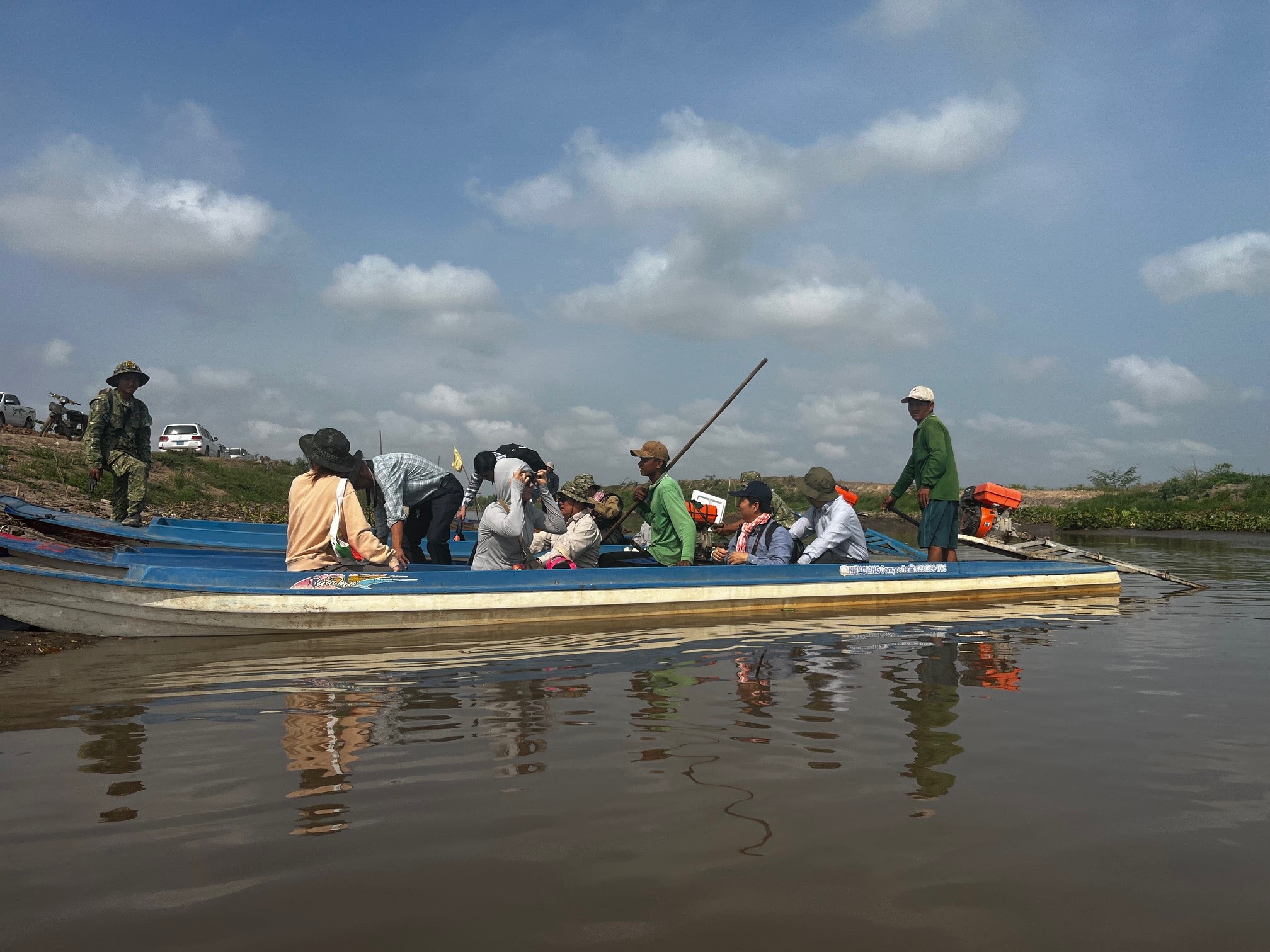
Visiting the groundwater monitoring wells in BPL © IUCN Cambodia/ Puthkanha.V
Themes: