Pilot projects to strengthen sustainable management of the Cambodia–Mekong Delta Aquifer
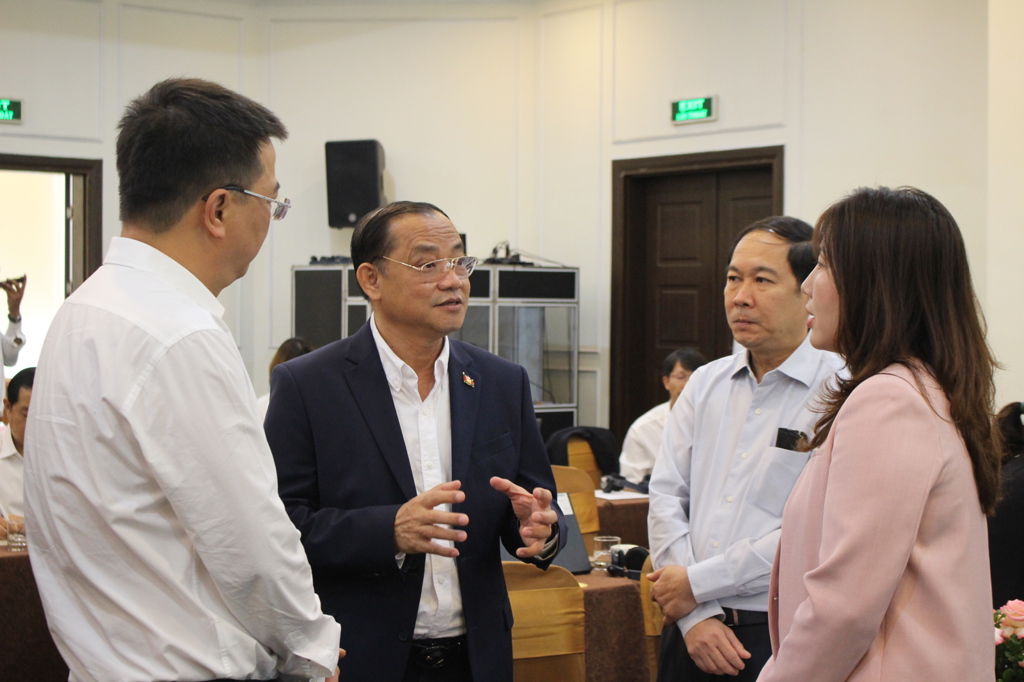
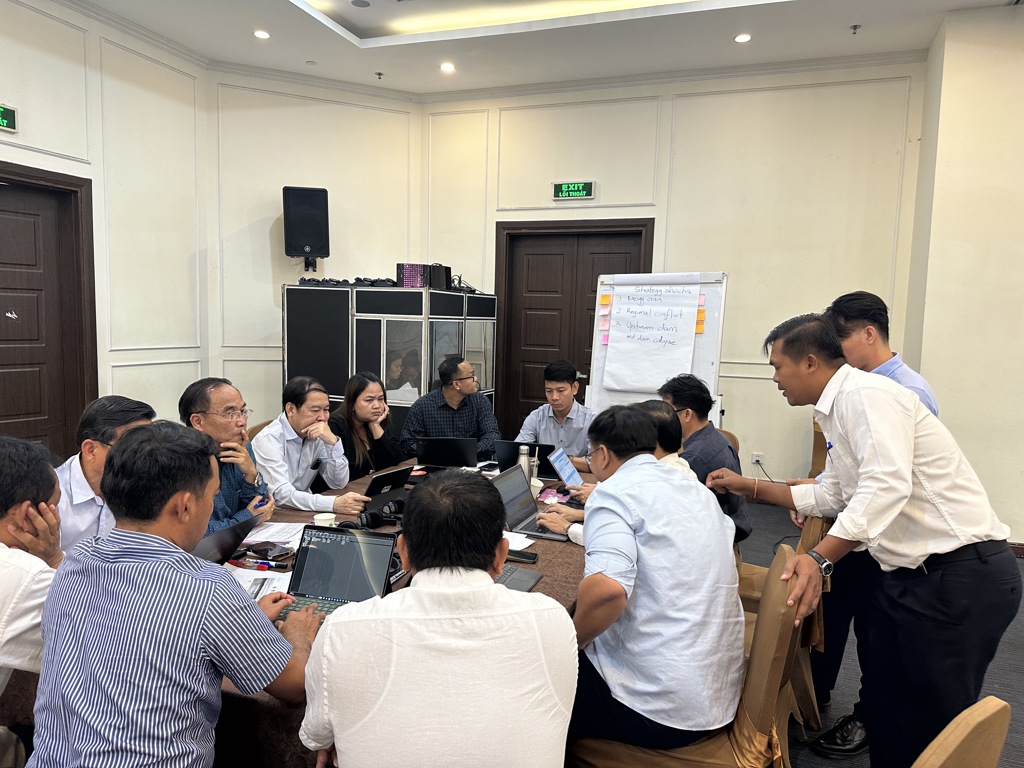
The Cambodia-Mekong Delta continues to face groundwater depletion, declining groundwater levels, salinity intrusion and land subsidence. The proposed pilots from the two countries are different in focus but share a common goal to turn scientific evidence and technical recommendations into practical solutions on the ground. Joint Technical Committee representatives from Cambodia and Viet Nam, along with representatives from the Department of Water Resources Management (DWRM) under Viet Nam's Ministry of Agriculture and Environment (MAE), the General Department of Environment Protection (GDEP) under Cambodia's Ministry of Environment (MOE), UNESCO, MERFI, and other partner organisations also contributed to the pilot planning.
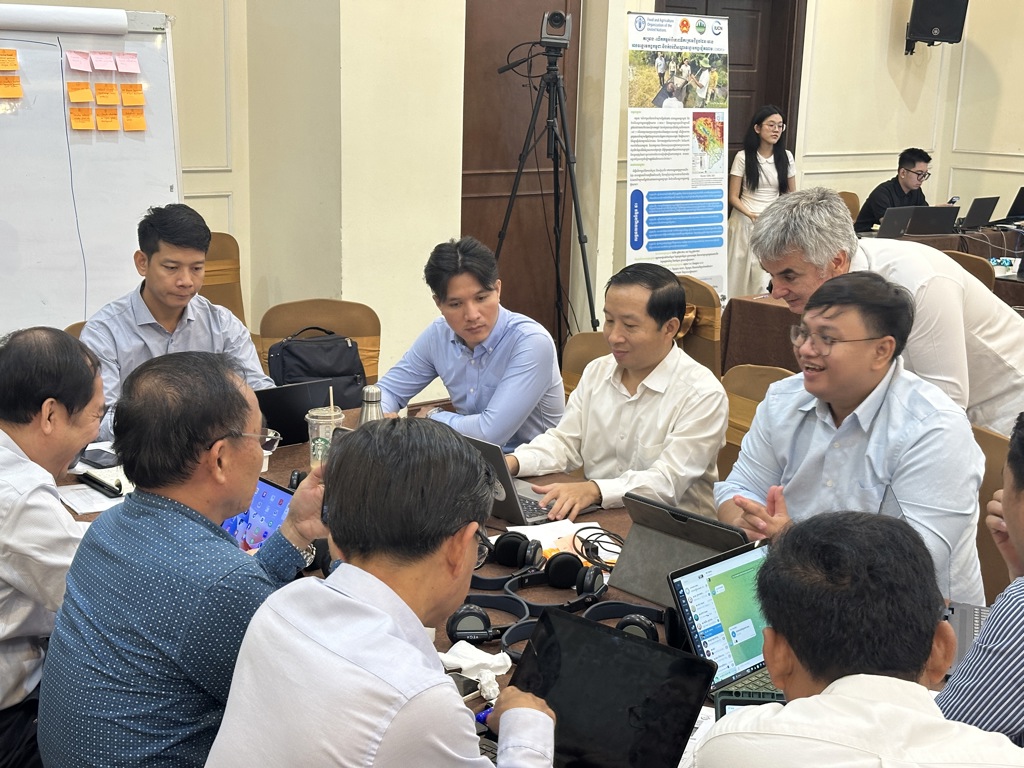
Viet Nam and Cambodia are exploring different demonstration approaches to address shared groundwater challenges. Each country presented preliminary pilot concepts, reflecting the different national priorities each brings to the shared challenge of managing the aquifer.
The proposed pilots and concepts remain under development and will undergo further technical review, consultation and refinement before final selection and approval. The initiatives will provide opportunities to test practical approaches, generate evidence and strengthen cooperation in managing the shared aquifer. As the pilot concepts move through technical review and selection, they serve as an important step in addressing CMDA challenges to ensure the aquifer provides vital and sustainable water resources for the region’s communities today and in the future.
The CMDA project is the largest transboundary aquifer initiative in Southeast Asia under the Global Environment Facility International Waters (GEF IW) Focal Area. Implemented over five years (2023–2028), the project is implemented by the Food and Agriculture Organization of the United Nations (FAO) and executed by IUCN, UNESCO, MERFI and the Governments of Cambodia and Viet Nam, through their respective national focal agencies: DWRM under Viet Nam's MAE and the GDEP under Cambodia's MOE.
The project aims to enhance environmental sustainability and water security in the Lower Mekong region by improving the governance and promoting the sustainable management and use of the Cambodia–Mekong Delta transboundary aquifer with five components (1) Conduct a Transboundary Diagnostic Analysis (TDA); (2) Pilot demonstration; (3) Transboundary cooperation mechanism; (4) Develop a Strategic Action Plan (SAP); and (5) Establish mechanisms for monitoring, gender mainstreaming, and transboundary coordination to ensure the project's long-term sustainability.