Visioning process lays the foundation for the Cambodia–Mekong Delta Transboundary Aquifer Strategic Action Programme
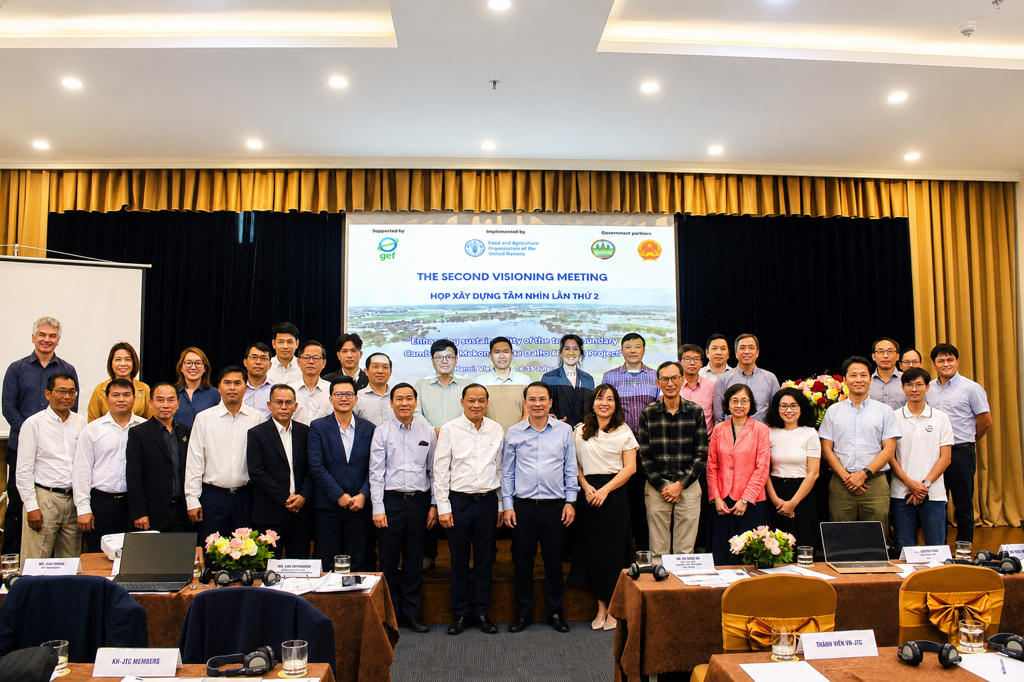
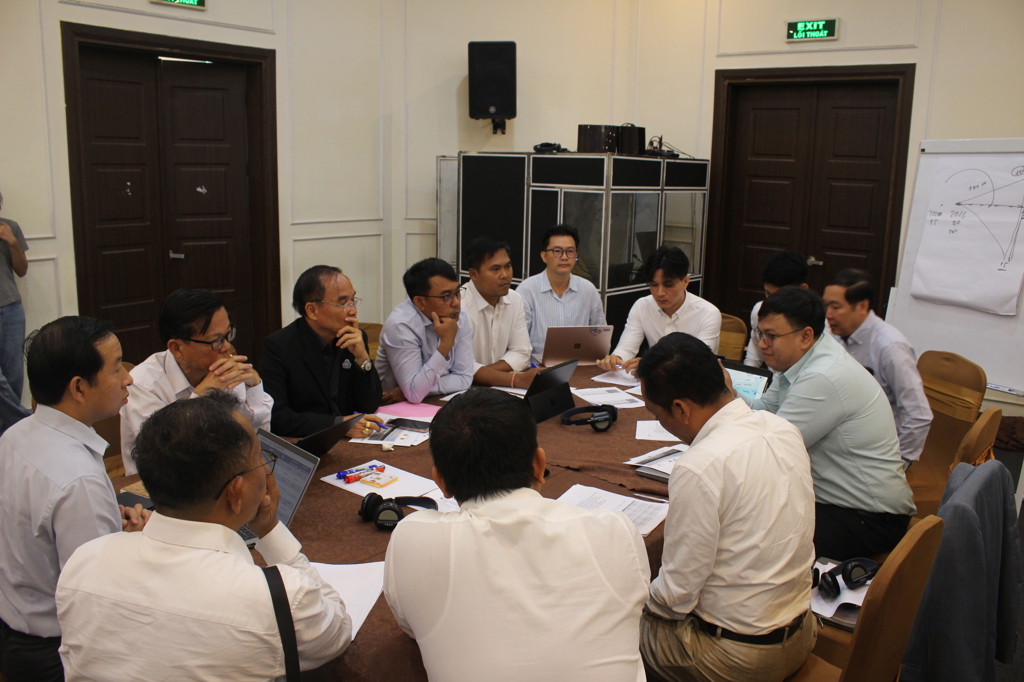
The joint country meeting in Hanoi was part of the “Enhancing the Sustainability of the Transboundary Cambodia–Mekong Delta Aquifer” (CMDA) project and brought together nearly 50 participants, including the Joint Technical Committee members, representatives from the Department of Water Resources Management (DWRM) under Viet Nam's Ministry of Agriculture and Environment (MAE), the General Department of Environment Protection (GDEP) under Cambodia's Ministry of Environment (MOE), UNESCO, the Mekong Region Futures Initiative (MERFI), and other partner organisations.
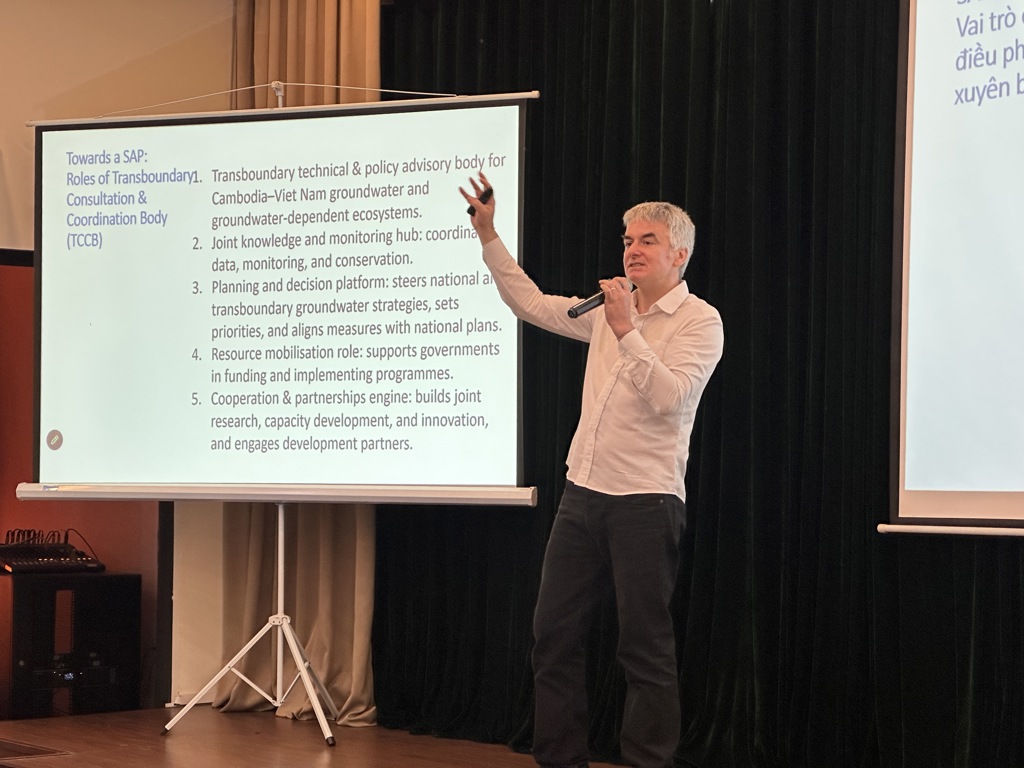
The CMDA project is implemented by FAO, DWRM, GDEP and executed by IUCN with co-partners UNESCO and MERFI. Participants joined the meeting to discuss the future scenarios under the project’s Transboundary Diagnostic Analysis (TDA) findings. The TDA is designed and conducted to build consensus between two countries on key aquifer concerns. The scenarios include the most probable, desirable, and the least desirable ones, while also exploring potential shocks and emerging risks that could influence the future of the aquifer.
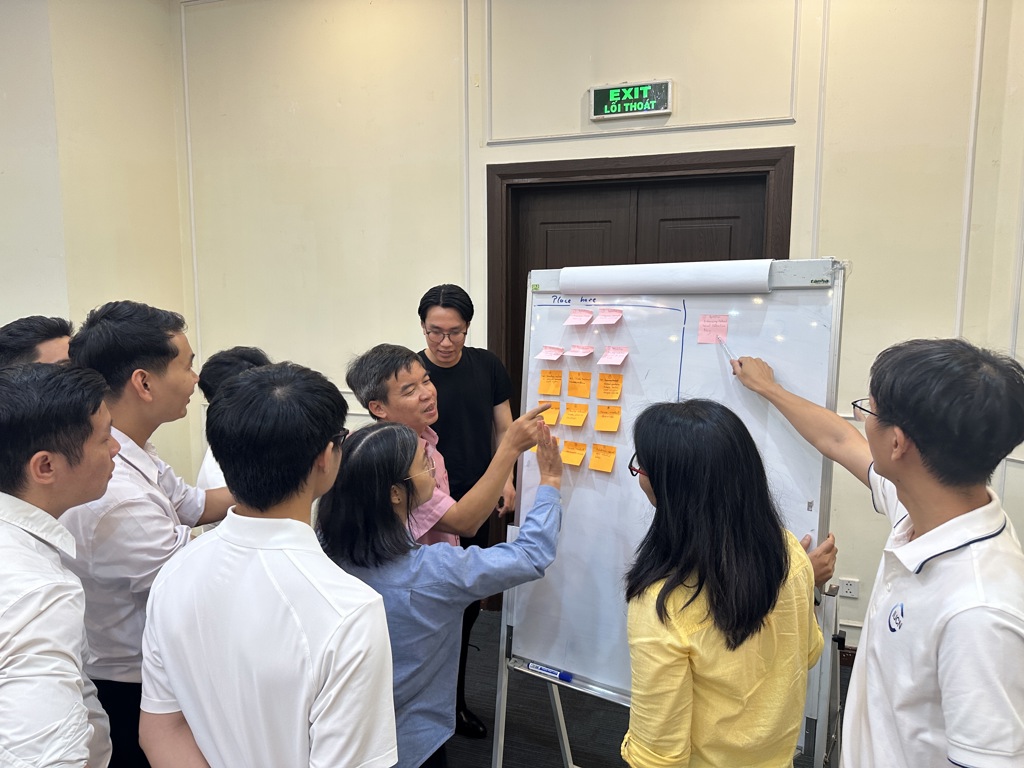
Project technical committee members discussed future scenarios that will provide the basis to develop a Strategic Action Plan (SAP) for concrete transboundary cooperation actions. Participants also discussed a range of priority actions under the covered scenarios, identifying opportunities for strengthening transboundary cooperation, improving groundwater governance, and enhancing resilience to future challenges.
Different national priorities emerged alongside important areas of common ground. In Cambodia, participants focused on community-based measures, rural livelihoods and food security, flood and drought resilience, groundwater recharge, groundwater regulation, and protection of wetlands, fisheries and biodiversity.
In Viet Nam, discussions placed greater emphasis on integrated water and land-use management, groundwater monitoring and licensing, alternative water sources and efficient irrigation, salinity management, climate-resilient agriculture, and maintaining environmental flows and wetland connectivity.
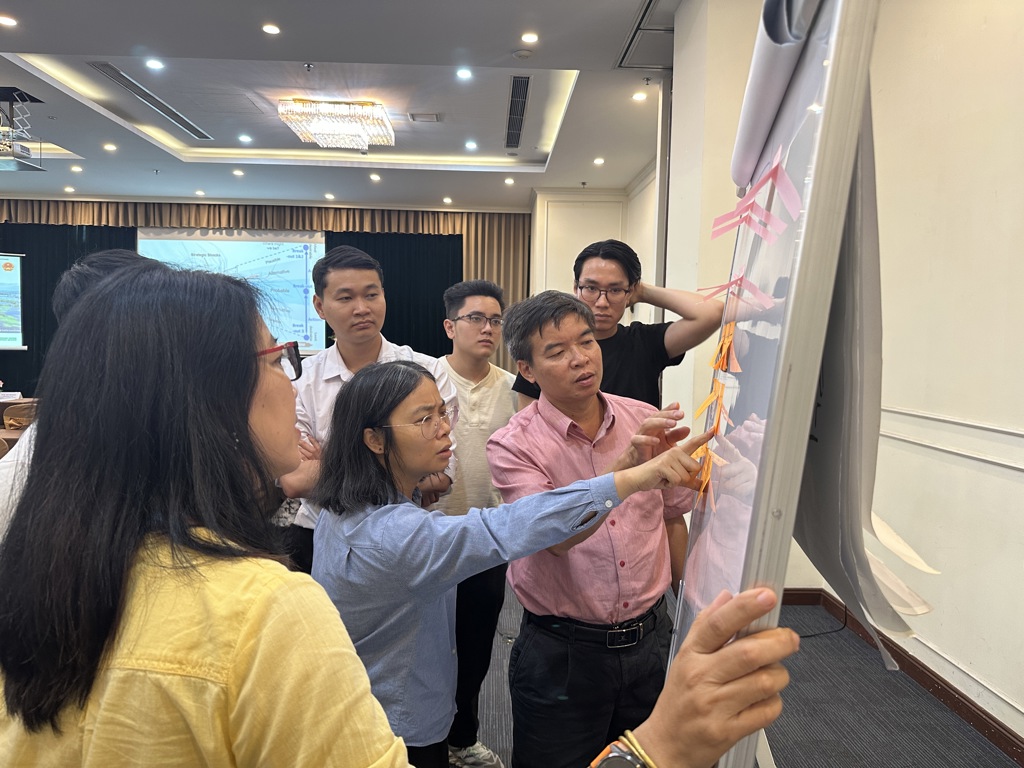
The perspectives highlighted opportunities for Cambodia and Viet Nam to complement national actions with stronger transboundary cooperation, particularly in groundwater management, monitoring and data, ecosystem protection, and climate resilience. The outcomes will help inform the development of the SAP and a shared transboundary vision.
The CMDA project will build on the shared vision to enhance proposed institutional arrangements for transboundary cooperation. Project partners will continue technical discussions and consultations to refine the priority actions and policy recommendations. These inputs will inform subsequent drafts of the SAP, which will undergo further technical review and national consultation before its finalisation.
The CMDA project is the largest transboundary aquifer initiative in Southeast Asia under the Global Environment Facility International Waters (GEF IW) Focal Area. Implemented over five years (2023–2028), the project is led by the Food and Agriculture Organization of the United Nations (FAO) in partnership with the Governments of Cambodia and Viet Nam, through their respective national focal agencies: DWRM under Viet Nam's MAE and the GDEP under Cambodia's MOE. IUCN serves as the project's lead executing agency, with UNESCO and MERFI as co-executing partners.
The project aims to enhance environmental sustainability and water security in the Lower Mekong region by improving the governance and promoting the sustainable management and use of the Cambodia–Mekong Delta transboundary aquifer with five components (1) Conduct a Transboundary Diagnostic Analysis (TDA); (2) Pilot demonstration; (3) Transboundary cooperation mechanism; (4) Develop a Strategic Action Plan (SAP); and (5) Establish mechanisms for monitoring, gender mainstreaming, and transboundary coordination to ensure the project's long-term sustainability.