Visioning strengthens vital Mekong aquifer conservation at the 11th International Waters Conference
CMDA is a GEF funded project, implemented by FAO in partnership with the General Department of Environmental Protection, Ministry of Environment of Cambodia, and the Department of Water Resources Management, Ministry of Agriculture and Environment of Viet Nam. IUCN serves as the lead executing agency, with UNESCO and MERFI acting as co-executing partners.
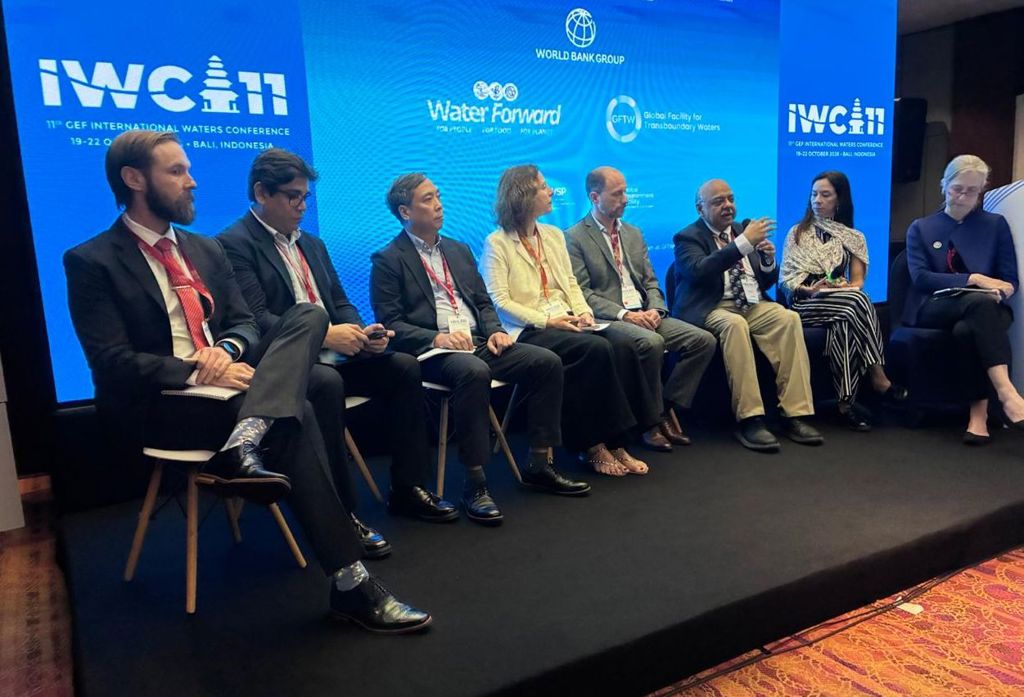
The workshop was designed to explore how different approaches to visioning can influence the identification of shared priorities, stakeholder engagement, and subsequent development of strategic action programmes (SAPs). It also highlighted the importance of building a vision that participating countries and sectors can recognise and collectively own. Representatives from CMDA's government partners from Cambodia and Viet Nam contributed their perspectives on transboundary cooperation and sustainable water resources management.
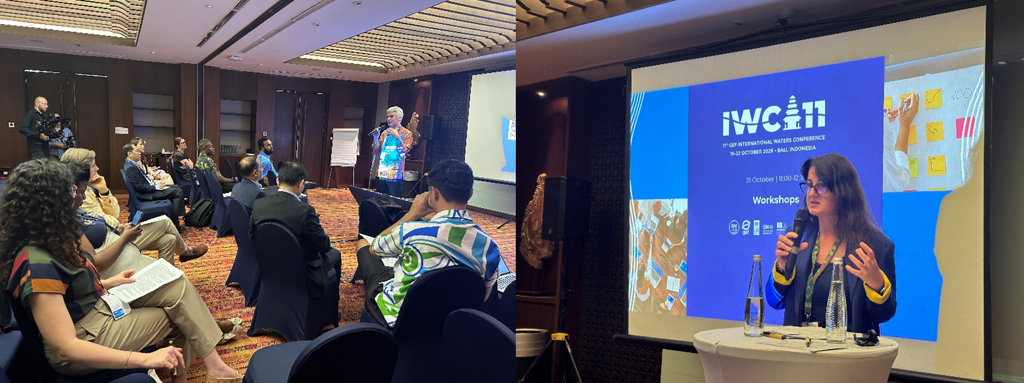
The resulting key messages affirmed that visioning should connect water management with broader environmental and socioeconomic priorities, with participating countries and sectors recognizing a shared long-term aspiration, rather than merely a project output. Science-based decision making should be complemented by future-oriented and emotionally engaging approaches, moving beyond purely technical considerations to embrace the human, emotional and psychological dimensions of transboundary water cooperation.
The workshop additionally highlighted the potential of holistic visioning to connect transboundary freshwater management with agriculture, biodiversity, climate resilience, and livelihoods. Discussions emphasised the importance of meaningful stakeholder participation, cross-sectoral dialogue, and shared ownership of the vision. Through sharing of practical experience from CMDA, the session contributed to broader learning within the GEF IW community on how participatory and integrated approaches can strengthen TDA-SAP processes and support more inclusive transboundary cooperation.
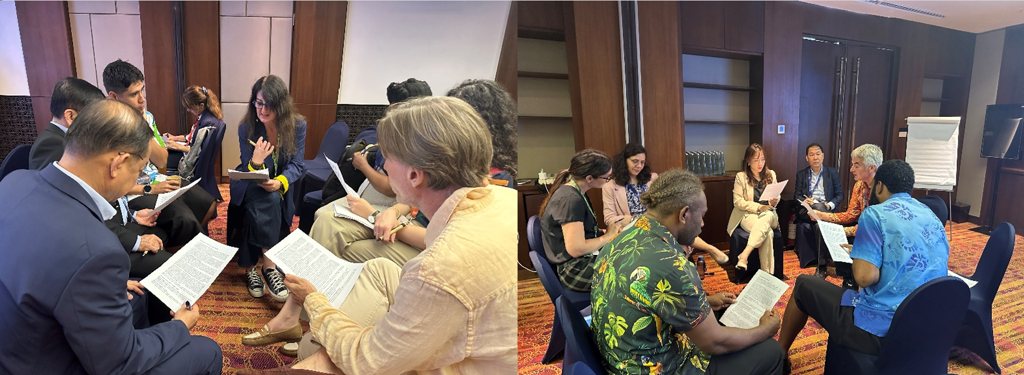
Held under the theme “Shared Waters, Transformative Solutions: Enabling Systems Change,” IWC11 brought together more than 400 delegates from 100 GEF IW projects in 80 countries, including government representatives, international organisations, scientists and development partners to exchange experiences and explore innovative approaches to cooperation on shared freshwater and marine ecosystems.